
Wrapper vs. binder vs. filler: cigar anatomy
Short answer: Filler forms the center of the cigar, binder holds that bunch together, and wrapper is the finished outer leaf; all three influence how the cigar burns and tastes.
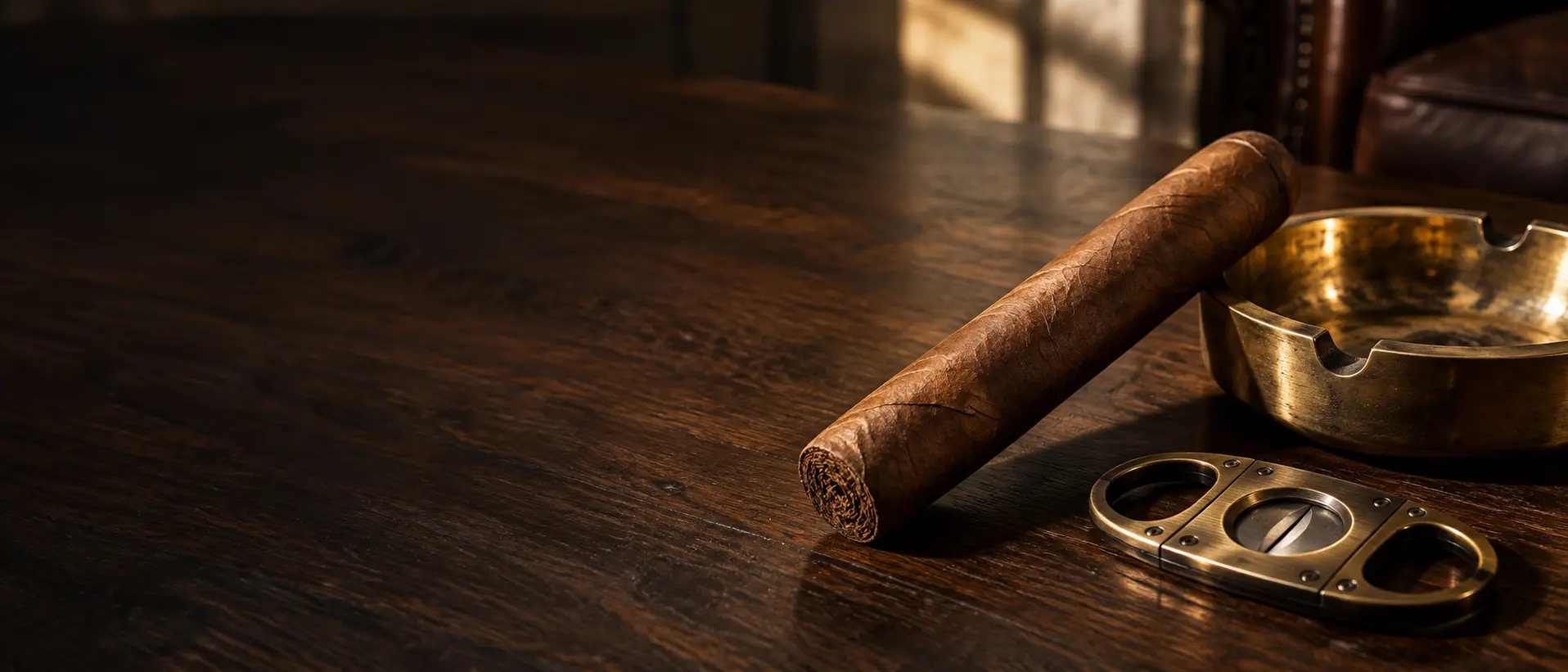
Filler: the center of the blend
Filler is the tobacco packed inside the cigar. Premium handmade cigars commonly use long leaves folded together to create the bunch. Blenders can combine different leaf positions, varieties, and countries to shape strength, combustion, and character.
Binder: the structural layer
The binder wraps around the filler and keeps the bunch together before the final wrapper is applied. Good combustion is important because the binder helps the filler burn consistently. Some cigars use more than one binder.
Wrapper: the outer leaf
The wrapper is the tobacco you see and touch. Wrapper leaves are selected for appearance, elasticity, combustion, and blending qualities. It can have a meaningful influence on the finished cigar, but there is no universal percentage that applies to every blend.
Why the three parts need to work together
A cigar is not simply “the wrapper plus filler.” The ratio of leaves, moisture, rolling, fermentation, and size all change the result. That is why two cigars with similarly named wrappers can still be very different.
How to use anatomy when choosing cigars
Instead of chasing one ingredient, note patterns across cigars you enjoy: wrapper country and type, binder, filler countries, stated strength, and size. Those repeated patterns are more useful than assuming one leaf explains everything.
References: Cigar Aficionado on binder and its cigar anatomy primer.
Cigar Path does not sell tobacco or publish cigar reviews. This guide is for adults of legal tobacco-purchase age.