Cigar wrapper types explained
Short answer: Wrapper names can describe seed, region, color, or processing, so treat them as clues rather than a complete flavor prediction.
What is a cigar wrapper?
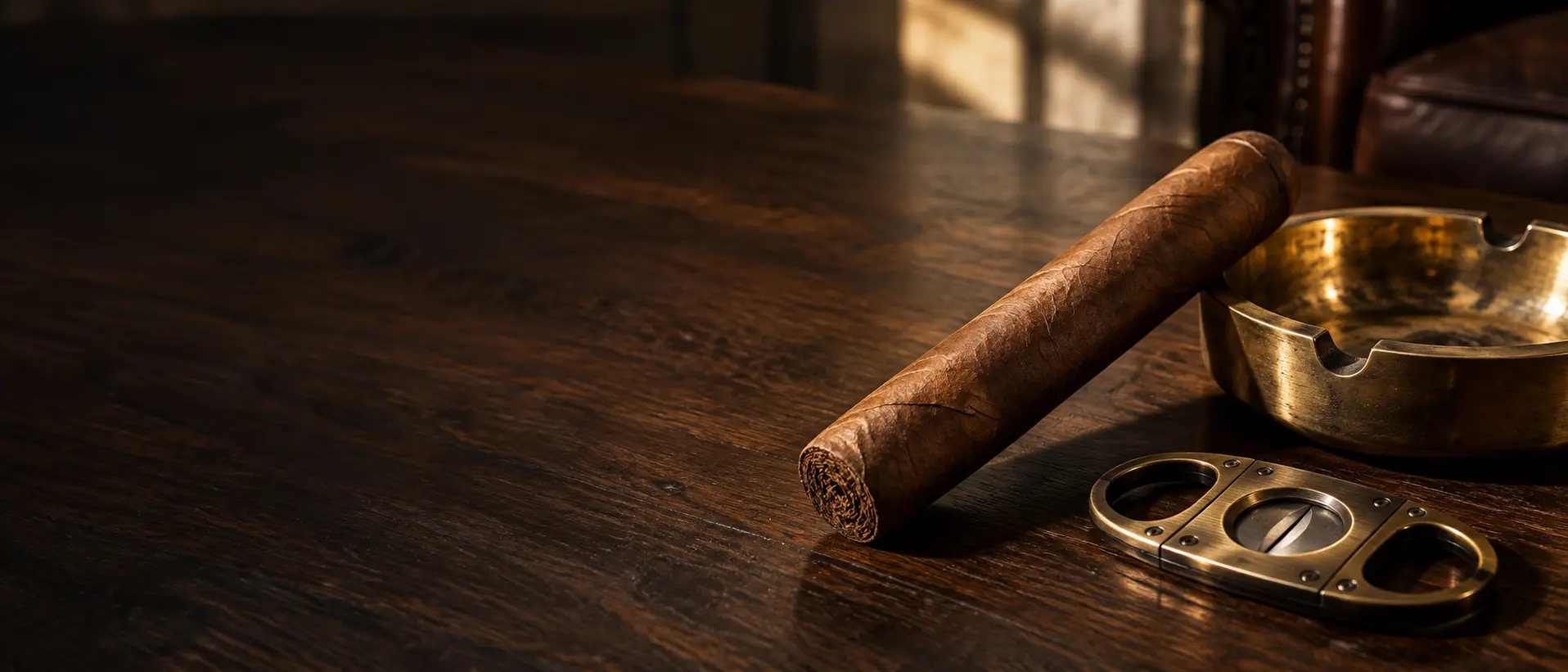
The wrapper is the visible outer tobacco leaf. It needs to be flexible enough to roll cleanly and attractive enough for the finished cigar, but appearance is only one part of its job. It works with the binder and filler as a complete blend.
Connecticut
“Connecticut” can refer to Connecticut Shade tobacco grown in the Connecticut River Valley or to Connecticut-seed tobacco grown elsewhere, such as Ecuador. These wrappers are often lighter in appearance, but color alone does not tell you strength.
Habano and Corojo
Habano and Corojo are tobacco-seed or varietal terms that may appear with a growing region. A Habano-seed wrapper grown in Ecuador and one grown in Nicaragua are not interchangeable simply because both use the word Habano.
Maduro is primarily about processing and color
Maduro means “mature” in Spanish and commonly describes darker wrapper tobacco that has undergone longer or more intensive fermentation. Dark color does not automatically mean high nicotine strength.
Natural versus Maduro
Some retailers use “Natural” as a broad contrast with darker Maduro wrappers. That can be useful shopping shorthand, but it is not a precise botanical category. Look for the actual wrapper variety and country when available.
Why wrapper names can be confusing
Labels combine several ideas: seed, country, shade or sun growing, fermentation, and final color. For a fuller picture, connect wrapper information with the cigar’s binder and filler and its stated strength.
Reference: Cigar Aficionado’s anatomy discussion.
Cigar Path does not sell tobacco or publish cigar reviews. This guide is for adults of legal tobacco-purchase age.